Demonstrated
Low-bandwidth brain-to-brain signals
Researchers have transmitted simple intentional information between people using EEG and non-invasive stimulation. This is not free-form telepathy or dream transfer.
Futuregames · speculative BCI · 2026
Designing shared imagination
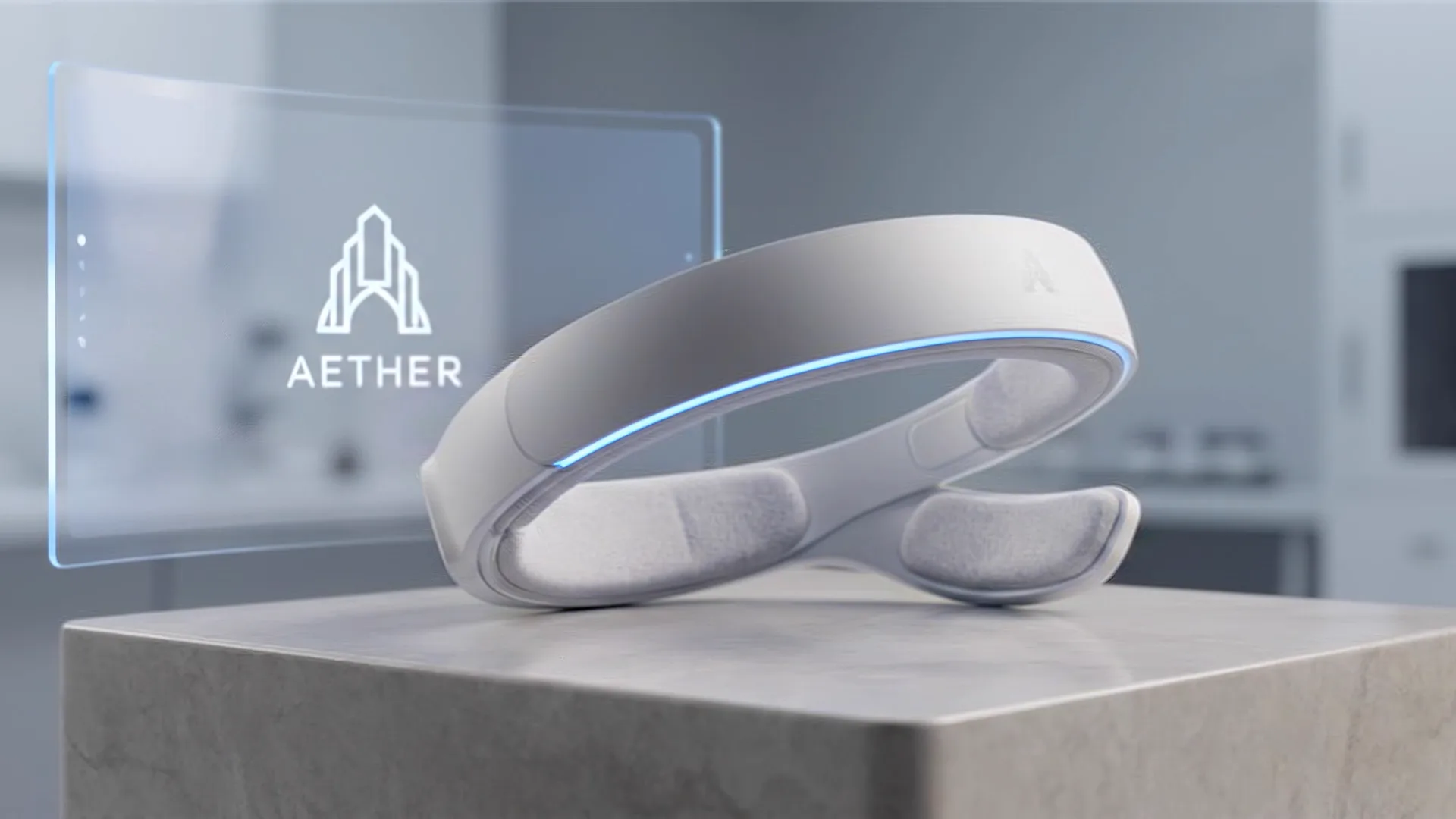
A future product concept made tangible through research, a multiplayer browser prototype and a launch film that slowly turns against its own promise.
The reveal
Aether begins as a seductive product launch. The case then examines what happens when imagination becomes data, advertising becomes memory and one person can gain more control over a shared inner world.
The proposed experience
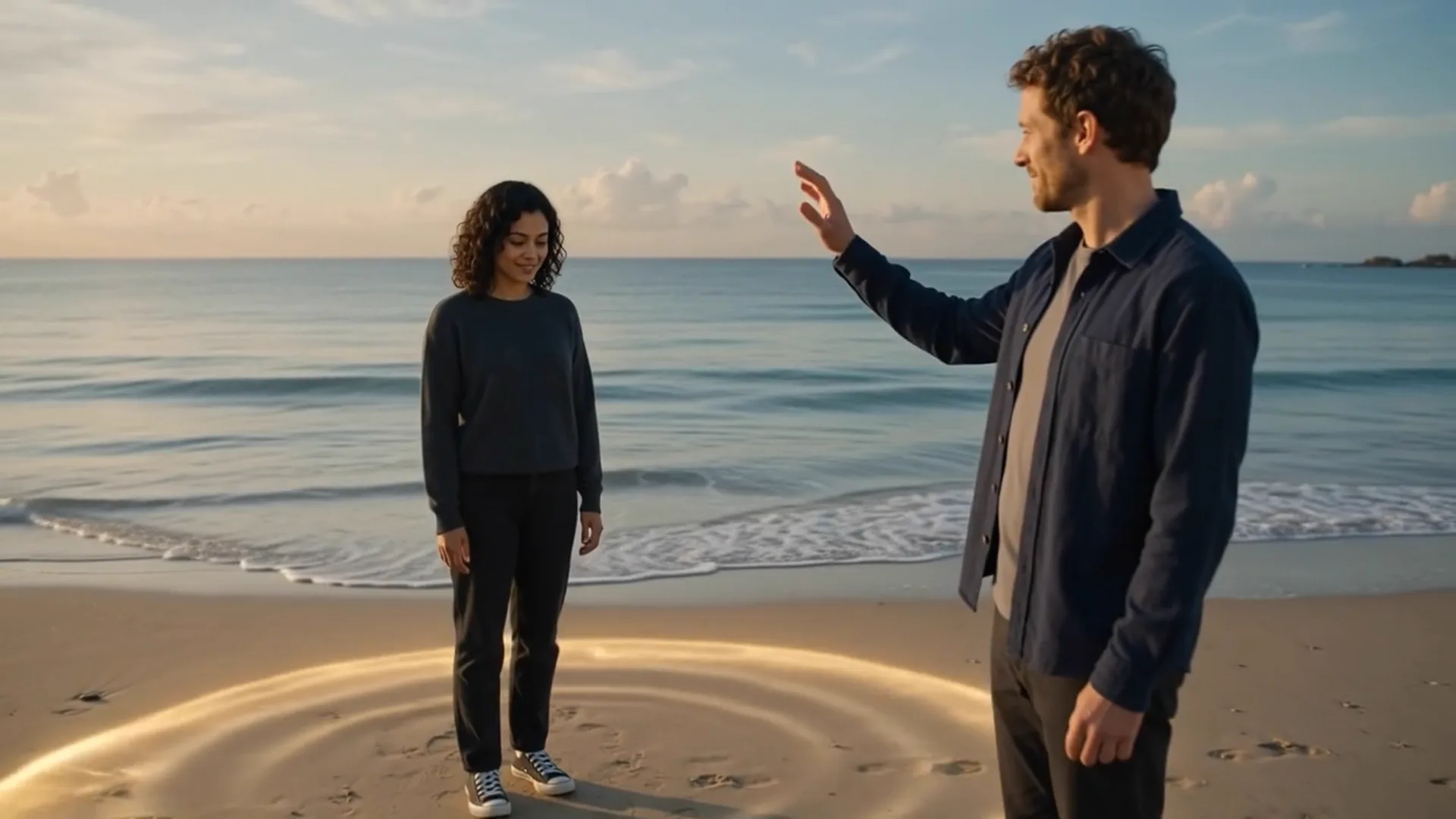
The product was designed as a deliberate sequence rather than effortless telepathy. Elias chooses to enter a shared space, invites Maya and selects what kind of experience the system may construct.
Enter Aether intentionally instead of broadcasting mental activity by default.
A known person must be selected and accept before anything is shared.
Choose a bounded context such as a beach rather than opening the whole mind.
AI turns selected signals into a shared, visibly reconstructed environment.
Making the idea testable
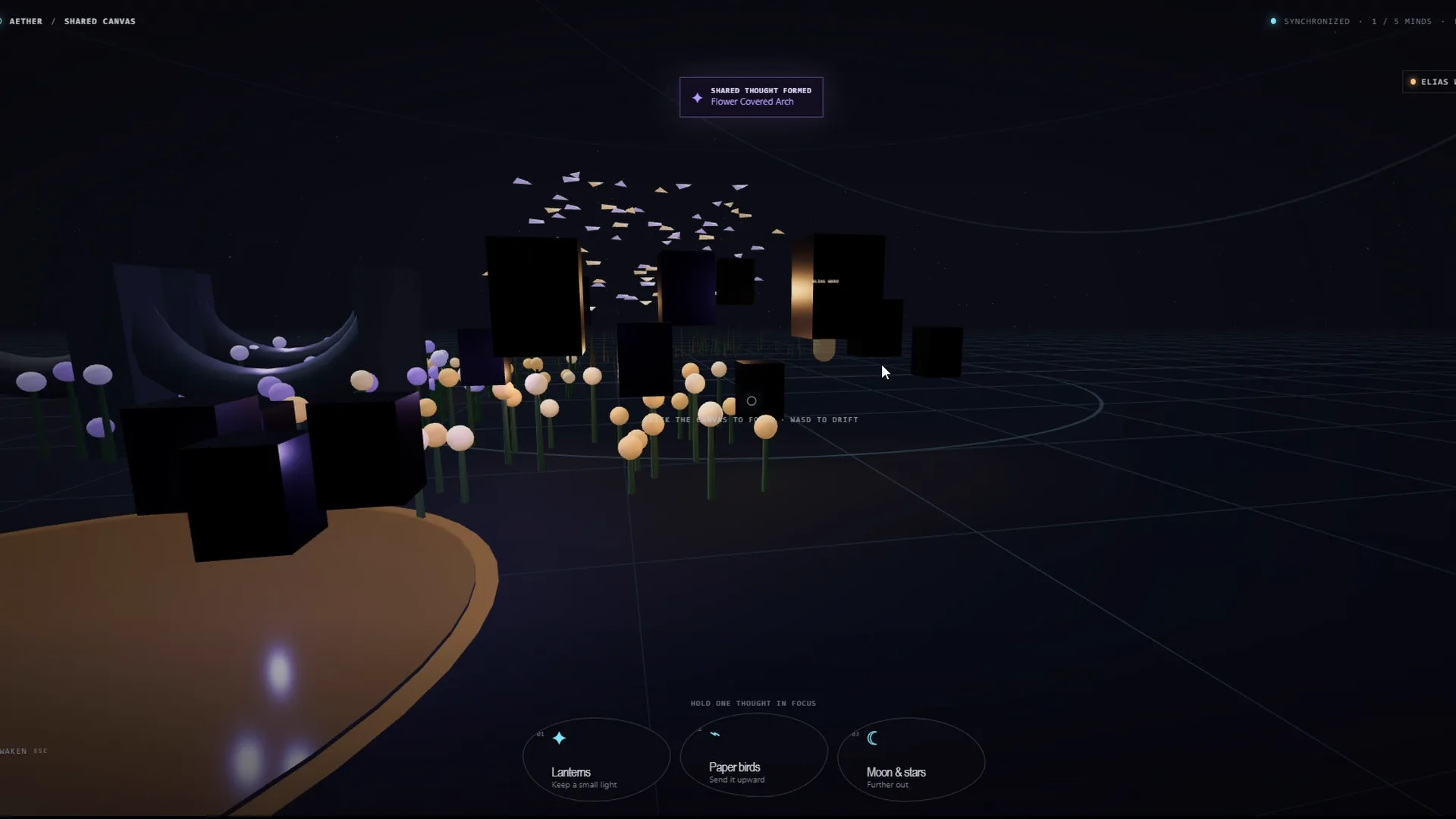
I built a first-person browser simulation to communicate the social mechanic in seconds. Players enter a neutral room and select thought suggestions that materialise as procedural objects. Compatible choices merge into a violet shared event.
We separated what research has demonstrated from infrastructure still in development and the parts that remain design fiction. That boundary kept an intentionally extreme concept intellectually honest.
Demonstrated
Researchers have transmitted simple intentional information between people using EEG and non-invasive stimulation. This is not free-form telepathy or dream transfer.
Emerging
Clinical BCI work and VR research suggest that neural input can be trained and interpreted inside more natural spatial contexts.
Design fiction
High-bandwidth experience sharing, reliable memory reconstruction and safe neural feedback would require multiple major breakthroughs. Aether uses that uncertainty as design material.
The narrative device
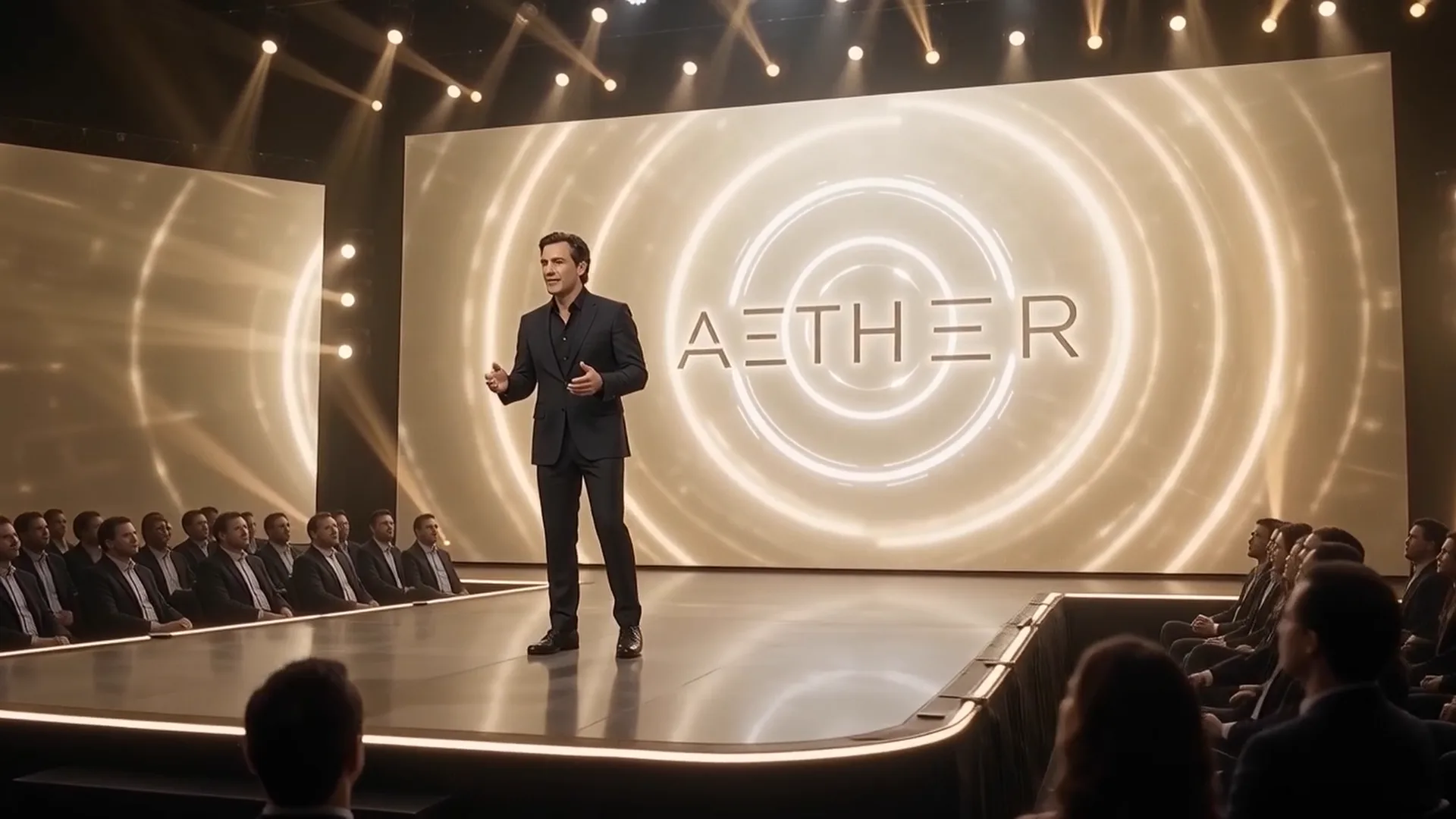
Our presentation borrowed the confidence of a technology keynote before freezing, glitching and returning years later through an investigative interview. The contrast made both the appeal and the danger easier to understand.
The promise
A warm product launch presents Aether as intimate communication: shared travel, creativity and presence without physical distance.
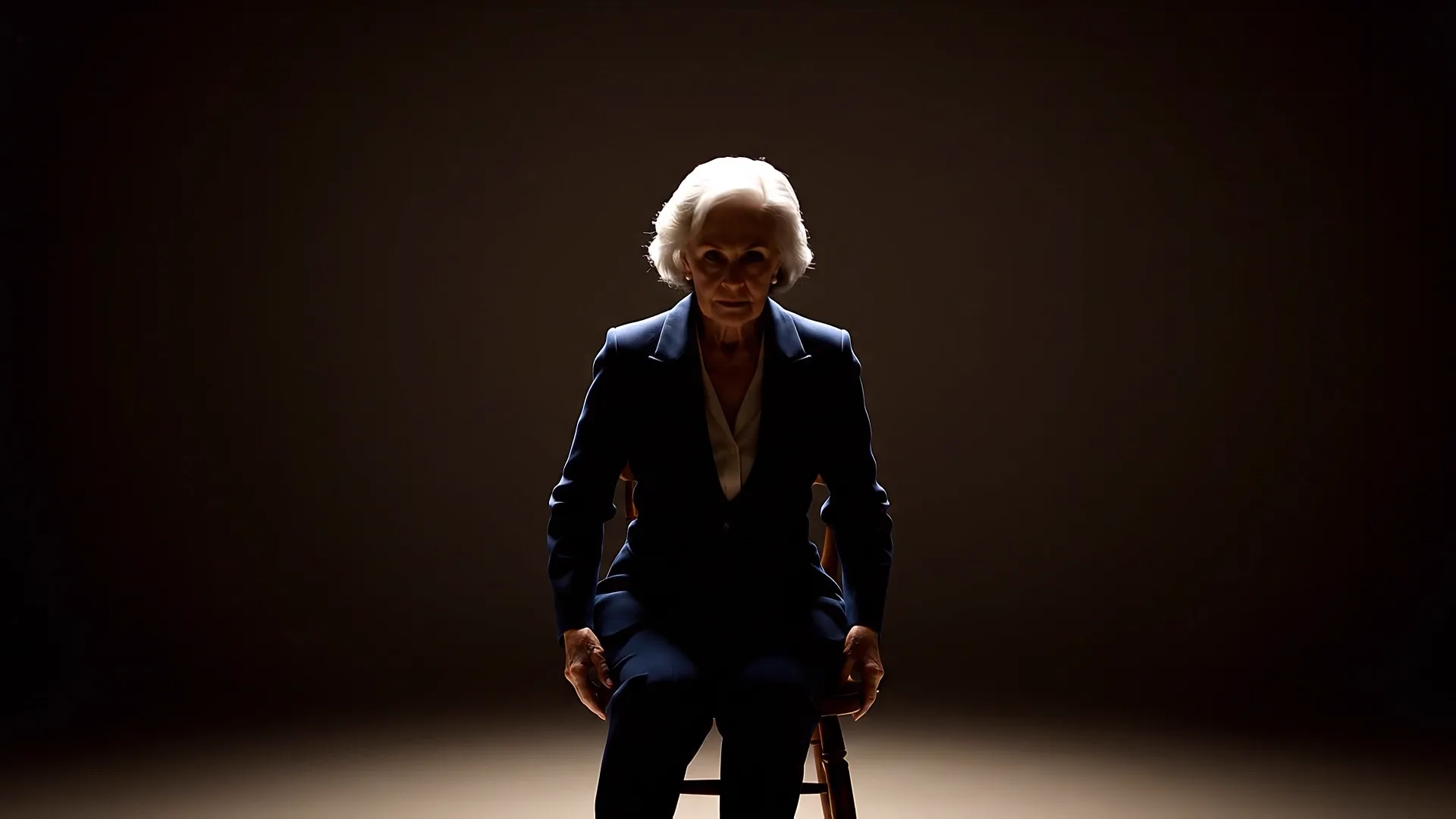
Repeated symbols can be interpreted as emotion, preference or vulnerability, even when the inference is wrong.
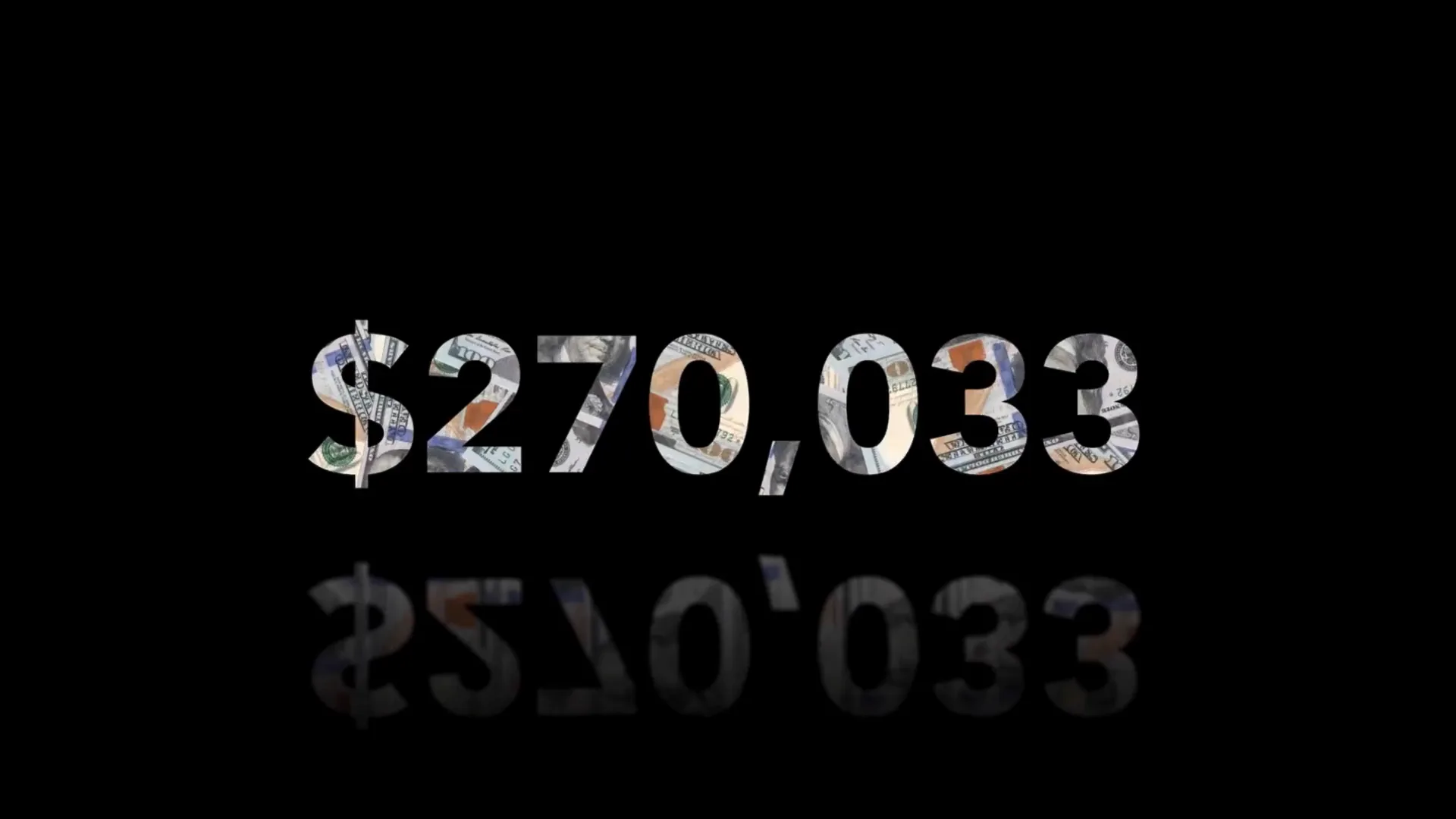
When a world forms around thought, advertising no longer interrupts the experience. It can become the experience.
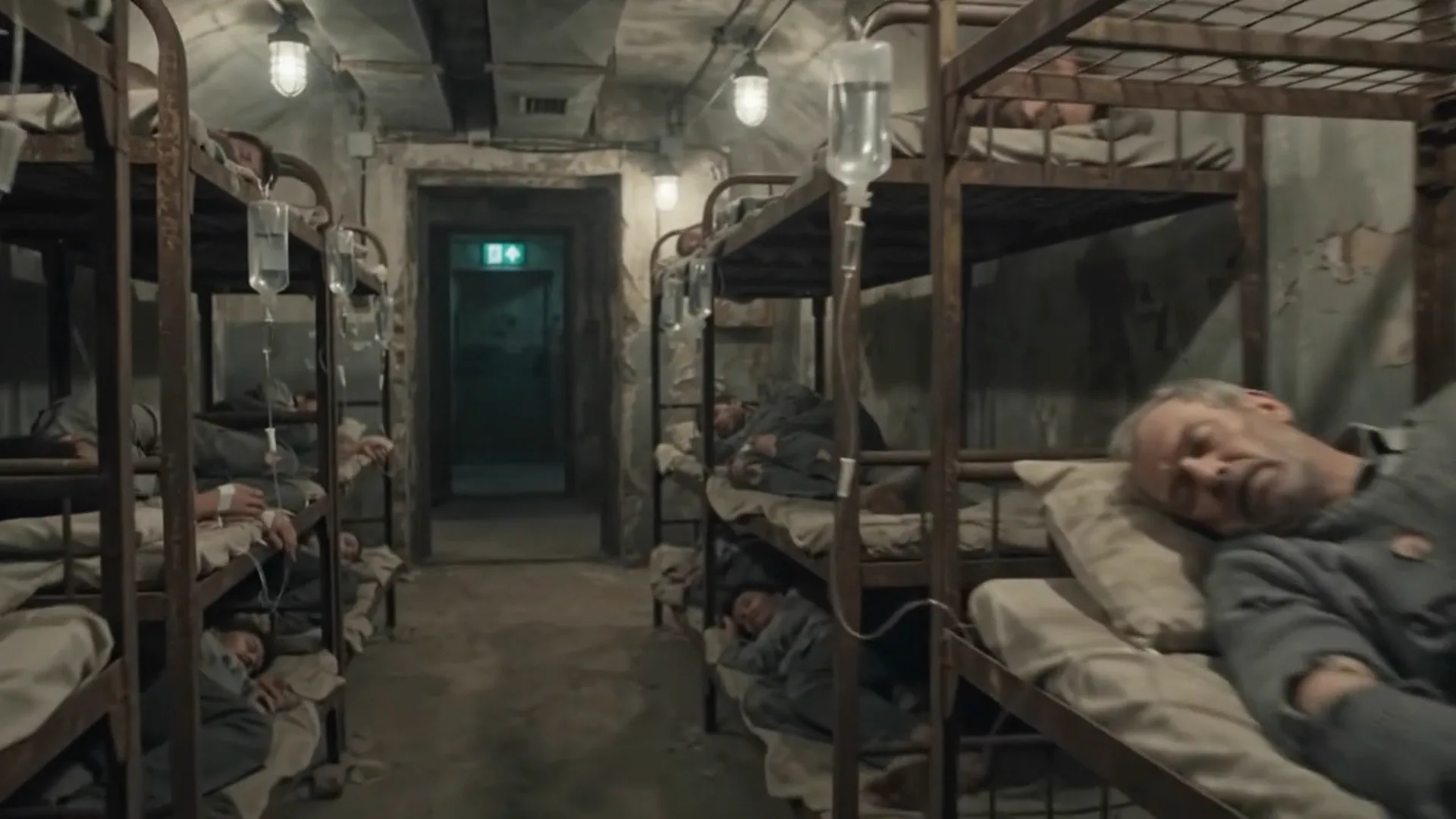
A shared world is only shared if every participant can remove, reject and immediately leave what is created.
Individual contribution
My contribution was not one isolated scene. I proposed the BCI direction, helped turn Shared Dreamscape into the chosen concept, built the browser prototype and became the person who assembled most of the final presentation film.
Concept initiator · interaction prototyper · lead video editor · collaborative production facilitator
Proposed BCI as the group's future-technology field.
Researched Shared Dreamscape and produced the first Maya, Elias and interface studies.
Built the browser simulation, added multiplayer and prepared it for Vercel.
Operated the live Resolve timeline, assembled the story and polished transitions, music and sound.
Instead of assigning four disconnected sections, we reviewed storyboards, footage and voiceover together while I screen-shared DaVinci Resolve and translated decisions directly into the timeline.
The process created a more coherent film and stronger shared ownership. It was also slower at times because one person controlled the timeline while the others reviewed.
The outcome
The final 8:32 film was created for a roughly ten-minute presentation format. It moves from spectacle to scrutiny and ends by asking what rules a shared inner world would need before it deserved trust.
Human-led
Research framing, concept selection, interaction model, browser prototype, narrative structure, editing, transitions and sound direction.Team-shared
Story decisions, voiceover direction, critique, clip selection and the final review of the presentation.AI-assisted
Selected characters, environments, video shots, synthetic voices and sound effects, all directed and edited into the team's authored narrative.Aether principles
Shared imagination could become an unusually intimate form of communication. The design therefore ends with four non-negotiable principles rather than another feature list.
If you could enter someone else's imagination, would you?Explore more projects